You are running Google Shopping campaigns, Meta Ads, and maybe even some SEO. Each one is growing revenue incrementally. But the brands scaling fastest are not just adding more channels — they are connecting them into a system where each channel amplifies the others.
What’s in This Article
Multi-channel marketing is not about being everywhere. It is about being strategic about where you show up and how those touchpoints work together to move a customer from first awareness to repeat purchase. Here is how to build a connected marketing ecosystem that delivers more than the sum of its parts.
The Customer Journey Is Not Linear
The average Shopify customer interacts with a brand 6-8 times before making their first purchase. They might discover you through a Meta ad, visit your site, leave, see a retargeting ad, Google your brand name, read a review, get an email, and finally buy. No single channel deserves 100% of the credit — or 100% of the blame.
This is why single-channel thinking fails. Optimising Meta Ads in isolation ignores the email that actually closed the sale. Investing only in SEO misses the fact that customers need multiple touchpoints before they are ready to buy. You need to think in systems, not silos.
The brands winning at multi-channel marketing have a clear role for each channel: awareness channels (Meta, TikTok, influencers), consideration channels (Google Search, SEO, content), and conversion channels (email, SMS, retargeting). Each channel feeds the next, creating a funnel that moves customers toward purchase efficiently.
Channel Roles: Who Does What
Assign every channel a primary role in your marketing ecosystem:
- Meta Ads (Awareness + Retargeting). Your primary tool for introducing new people to your brand. Broad targeting with strong creative drives cold traffic to your site. Retargeting campaigns re-engage visitors who did not buy. Allocate 50-60% of paid budget here for most Shopify stores.
- Google Ads (Intent Capture). Catches people who are actively searching for your product or category. Shopping campaigns, Performance Max, and branded search capture high-intent traffic that converts at 2-3x the rate of social ads. Allocate 25-35% of paid budget here.
- SEO and Content (Long-term Discovery). Blog posts, optimised product pages, and collection pages drive free organic traffic that compounds over time. SEO is slow to start but has the highest long-term ROI because the traffic is free once you rank. Invest consistent time (not just money) here.
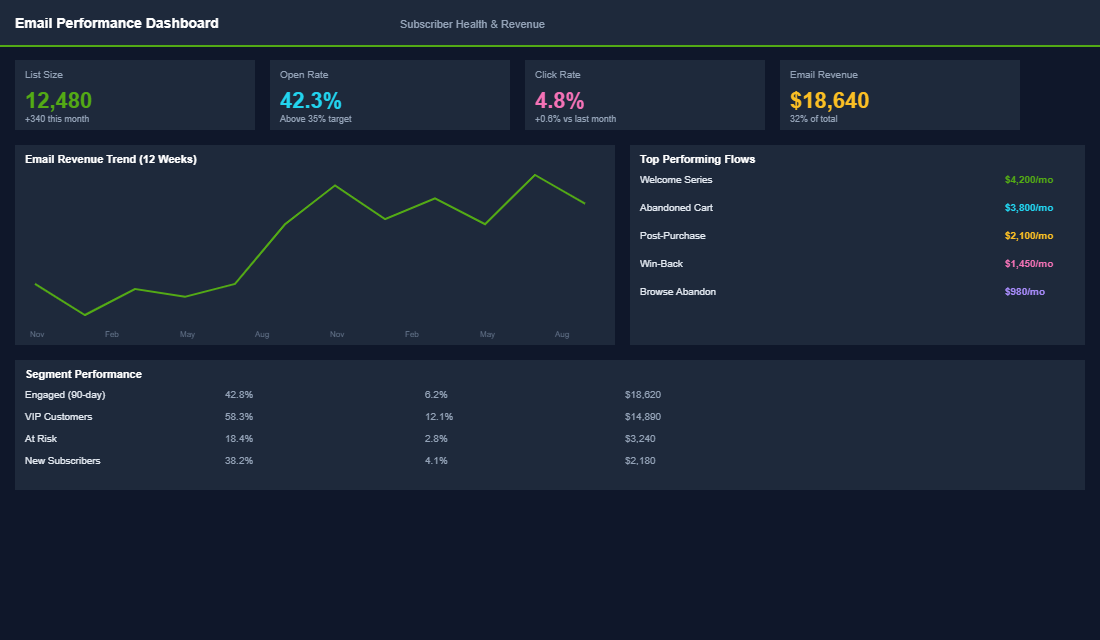
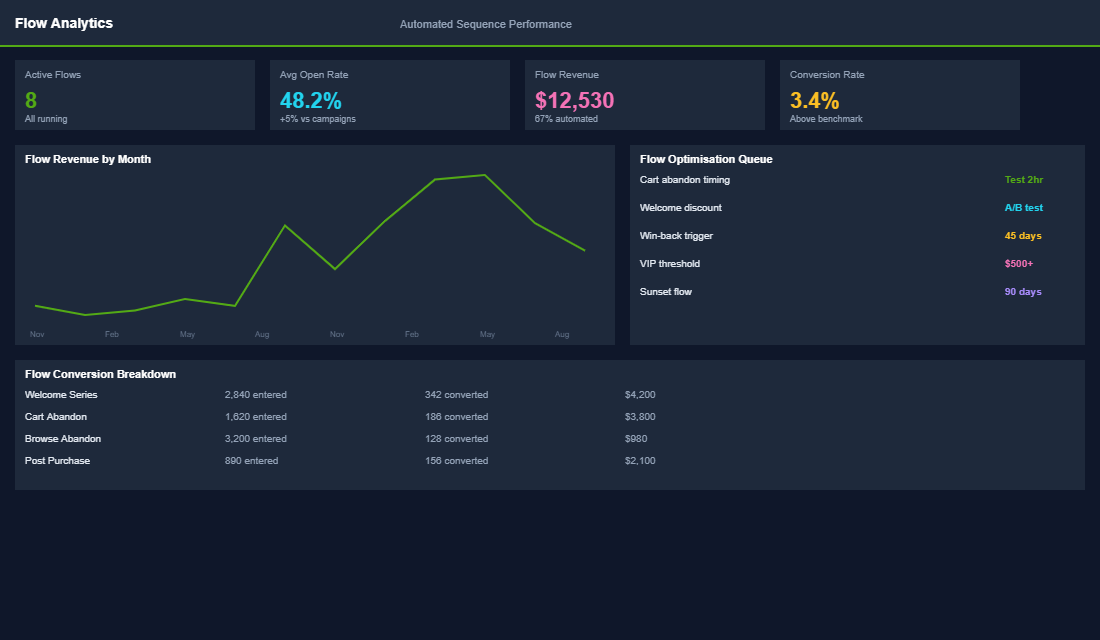
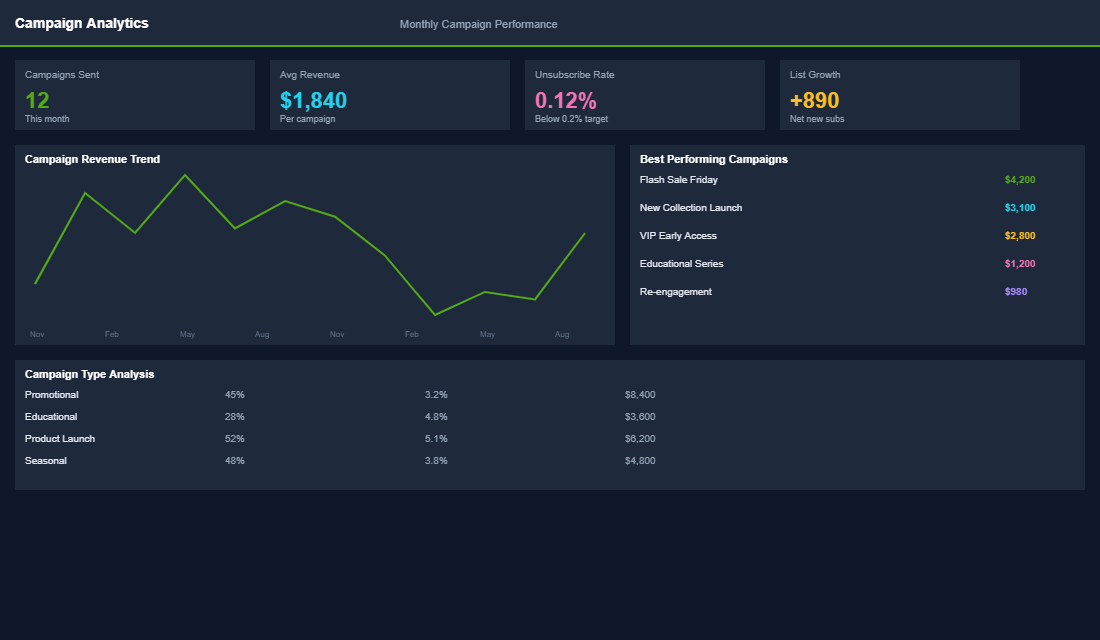
- Email and SMS (Conversion + Retention). Your highest-ROI channels for converting warm leads and retaining existing customers. Flows handle the automated conversion work. Campaigns drive repeat purchases and keep your brand top-of-mind. This is where most of your owned-channel revenue lives.
- Social Media Organic (Brand Building). Builds community, trust, and brand affinity. Does not drive direct sales at scale but creates the brand perception that makes every other channel more effective. A strong Instagram presence makes your Meta Ads more credible and your email content more engaging.
Building Cross-Channel Sequences
The real power of multi-channel marketing is in the sequences — coordinated campaigns that use multiple channels in a planned order to maximise impact:
Product Launch Sequence. Week 1: Teaser content on social media (behind-the-scenes of the new product). Week 2: Email and SMS to VIP list announcing early access. Week 3: Meta Ads with launch creative targeting lookalike audiences. Week 4: Google Shopping campaigns for product keywords. Week 5: Retargeting ads plus email reminder to non-buyers. This sequenced approach typically generates 40-60% more launch revenue than launching on a single channel.
Seasonal Sale Sequence. Day -7: Email teaser to warm list (“Something big is coming”). Day -3: SMS to VIP list with early access link. Day 0: Meta and Google Ads go live with sale creative. Day 0: Email blast to full list. Day 2: Retargeting ads to site visitors who have not purchased. Day 5: “Last chance” email and SMS with countdown timer. This multi-wave approach keeps momentum across the entire sale period.
Evergreen Acquisition Sequence. Meta prospecting ad drives cold traffic to a high-value content piece (blog post or quiz). Content piece captures email via opt-in. Welcome email sequence nurtures subscriber toward first purchase. Google retargeting ads reinforce the message. Post-purchase email flow drives repeat buying. This is the flywheel that runs 24/7 without active campaign management.
Budget Allocation Across Channels
One of the hardest decisions is how to split your marketing budget. Here is a framework based on what works for Shopify stores at different stages:
$3-10K monthly marketing spend: Focus on 2-3 channels max. Typical split: 60% Meta Ads, 25% Google Ads, 15% email platform costs. Do not spread thin across six channels — depth beats breadth at this budget level.
$10-30K monthly spend: Add SEO investment and increase email sophistication. Typical split: 45% Meta, 25% Google, 15% email/SMS tools and content, 10% SEO (content creation and technical improvements), 5% influencer/UGC.
$30K+ monthly spend: Full multi-channel ecosystem. Typical split: 35% Meta, 25% Google, 15% email/SMS, 10% SEO, 10% influencer/UGC/affiliate, 5% emerging channels (TikTok, YouTube). At this level, you should also invest in attribution tools (Triple Whale, Northbeam) to understand how channels interact.
Measuring Multi-Channel Performance
Multi-channel marketing breaks traditional attribution. You cannot simply add up platform-reported ROAS because each platform over-counts. Here is how to measure what actually matters:
- Blended ROAS (MER). Total revenue divided by total marketing spend. This is your single most important metric. If blended ROAS is healthy (3-5x for most Shopify brands), your overall mix is working — regardless of what individual platforms report.
- New Customer Acquisition Cost. Total marketing spend divided by number of new customers. Track this weekly. If it is trending up, either your creative is fatiguing or you are hitting audience saturation. If it is trending down, your multi-channel approach is becoming more efficient.
- Channel incrementality. When you increase or decrease spend on a channel, what happens to total revenue? This is the true test of a channel’s value. If cutting Meta spend by $2,000 causes total revenue to drop by $8,000, Meta is delivering 4x incremental ROAS regardless of what last-click attribution says.
- Owned channel revenue share. What percentage of revenue comes from email, SMS, and organic? Target 30-40%. If owned channels are below 20%, you are too dependent on paid acquisition. If above 50%, you may be underinvesting in top-of-funnel growth.
The Compound Effect of Connected Channels
When channels work together, the results compound in ways that single-channel marketing cannot achieve. Meta Ads drive new visitors who subscribe to email. Email converts those subscribers into buyers. Buyers leave reviews that improve your product pages, which improve SEO rankings, which drive more organic traffic, which feeds the email list further.
One eCommerce Circle member implemented this connected approach and saw their blended ROAS improve from 2.8x to 4.6x over four months — not because any single channel improved dramatically, but because the channels started feeding each other. Meta-driven email subscribers had a 3x higher LTV than direct purchasers because the email nurture sequence built trust and drove repeat purchases.
The lesson: marketing channels are not independent profit centres. They are parts of a system. Optimise the system, and every channel performs better.
Start With Your Biggest Gap
You do not need to build a six-channel marketing machine overnight. Start by identifying your biggest gap. If you are running paid ads but have no email flows, that is your gap. If you have great email but no organic traffic strategy, start there. Fill the gaps one at a time, connecting each new channel to your existing ecosystem.
Inside the eCommerce Circle, multi-channel strategy is how we tie the entire Promotion framework together. We help members build connected marketing ecosystems where each channel has a clear role, campaigns are sequenced for maximum impact, and measurement gives clarity on what is actually driving growth.
Stop optimising channels in isolation. Start building a system where every touchpoint makes the next one stronger.