You have heard the advice a thousand times: “content marketing is the key to organic growth.” So you start a blog on your Shopify store, publish a few posts about your products, and wait. And wait. Six months later, your blog has 200 total pageviews and zero sales to show for it. Sound familiar?
What’s in This Article
The problem is not content marketing itself — it is that most Shopify store owners approach it like a traditional blog instead of a sales channel. They write about topics nobody is searching for, they create content that does not connect to purchase intent, and they publish without any strategy for turning readers into customers.
The Shopify stores that actually drive revenue from content marketing do three things differently. They target keywords with commercial intent, they structure content to move readers toward products, and they build internal linking systems that boost their entire site’s SEO. When done right, content marketing can drive 15-25% of total store revenue within 12 months — all without paying for a single click.
Why Most Shopify Blog Strategies Fail
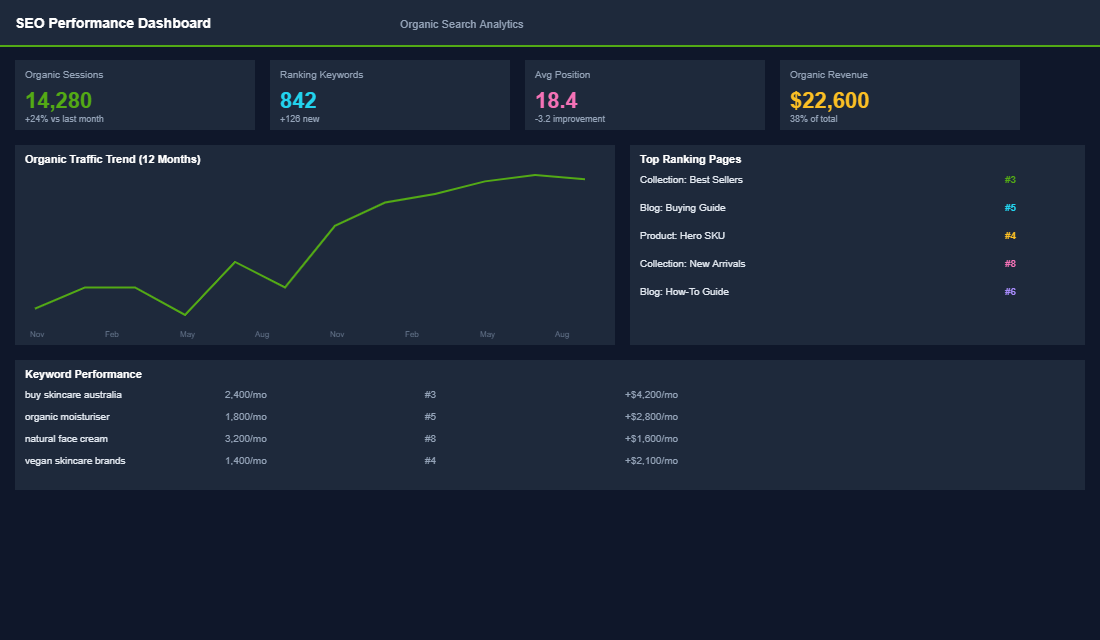
The biggest mistake is writing content for the wrong audience at the wrong stage. Blog posts like “Our Brand Story” or “5 Ways to Use Our Product” target people who already know your brand. That is a tiny audience. The massive opportunity is reaching people who do not know you yet but are actively searching for solutions your products solve.
The second mistake is ignoring search intent. Every Google search falls into one of four categories: informational (“how to remove red wine stains”), navigational (“Brand X login”), commercial (“best stain remover Australia”), and transactional (“buy stain remover online”). Most Shopify blogs only target informational keywords. The real money is in commercial keywords — searches where someone is comparing options and getting ready to buy.
The third mistake is treating the blog as a standalone entity instead of integrating it into your store’s SEO architecture. Your blog posts should support your collection and product pages through internal linking, creating a web of content that tells Google your store is the authority on your niche.
Finding Keywords That Actually Drive Sales
The foundation of a revenue-driving content strategy is keyword research focused on commercial and transactional intent. Here is how to find the right keywords for your Shopify store.
Start with “best” and “vs” keywords. Searches like “best organic moisturiser for dry skin” or “Cetaphil vs CeraVe for sensitive skin” signal someone who is actively comparing options. These keywords are gold for ecommerce content because the reader is one step away from buying. Write comprehensive comparison and recommendation posts that naturally feature your products as the solution.
Target “how to” keywords connected to your products. “How to build a capsule wardrobe” is a great keyword for a clothing brand. “How to set up a home gym on a budget” is perfect for a fitness equipment store. These informational keywords attract a large audience and give you a natural opportunity to recommend your products within genuinely helpful content.
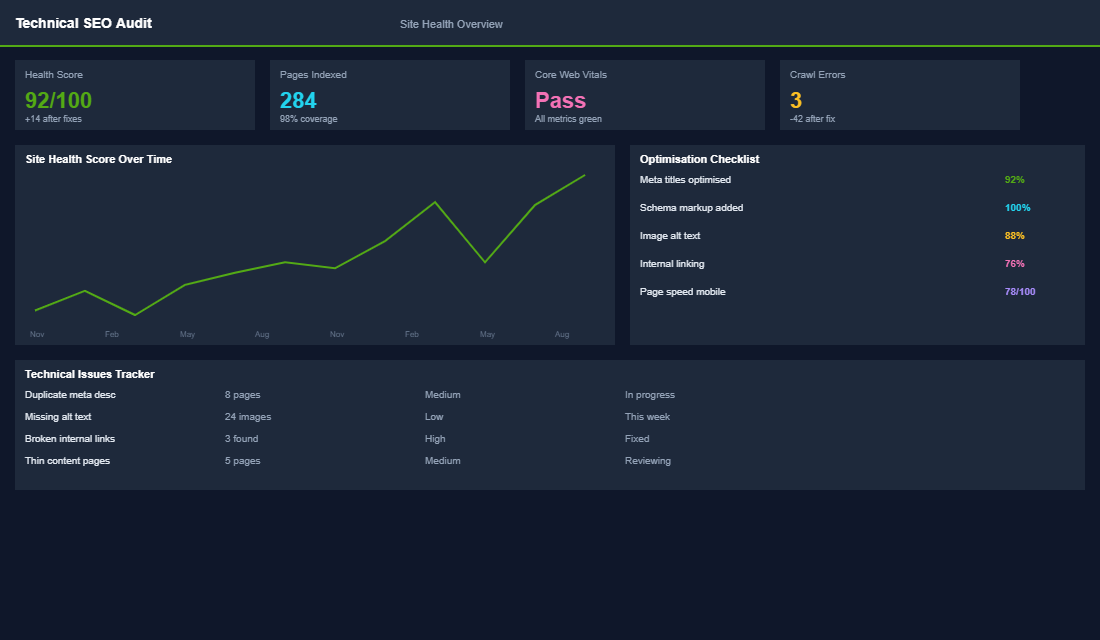
Use free tools to validate demand. Google Keyword Planner (free with a Google Ads account), Ubersuggest, and AnswerThePublic all help you find keywords with real search volume. Aim for keywords with 200-2,000 monthly searches and a keyword difficulty score under 40 (if using Ahrefs or SEMrush). These “Goldilocks” keywords have enough traffic to matter but low enough competition for a Shopify store to rank.
Research your competitors’ top-performing content. Use Ahrefs or SEMrush to see which blog posts drive the most organic traffic to competing stores. If a competitor ranks for “best protein powder for women Australia” and gets 3,000 monthly visits, that is a validated keyword you can target with a better, more comprehensive piece of content.
Content Structure That Converts Readers Into Buyers
A blog post that drives traffic but no sales is a hobby, not a strategy. Here is how to structure your content so readers naturally discover and click through to your products.
Embed product recommendations naturally. Within your “best of” and “how to” posts, include 2-3 contextual product mentions with images and links to the product page. Not hard-sell CTAs — just natural recommendations like “For this step, we recommend our [Product Name], which is specifically designed for [use case].” Contextual product links within helpful content convert at 3-5x the rate of banner ads or sidebar promotions.
Use comparison tables for “best” and “vs” posts. Readers love scannable comparison tables that show features, pricing, and ratings side by side. Include your product in the comparison (honestly — do not make it look rigged) and add “Shop Now” links. These tables typically capture 40-60% of all clicks within comparison articles.
Include a strong mid-article CTA. Do not wait until the end of a 2,000-word article to mention your product. Place a visually distinct callout box at the midpoint with a product recommendation and link. Most blog readers do not finish articles — they bounce at the 40-60% mark — so your CTA needs to appear before they leave.
Internal Linking: The SEO Multiplier
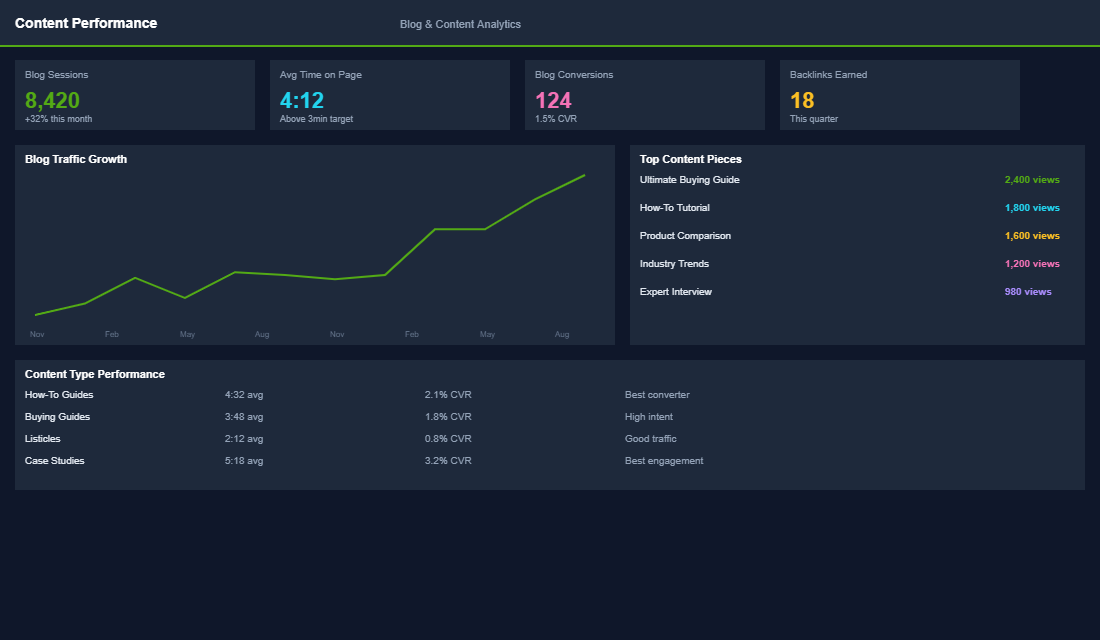
Internal linking is the most underrated SEO tactic for Shopify stores. When your blog posts link to your collection and product pages using relevant anchor text, you are telling Google that those pages are authoritative for those topics. This boosts their rankings without any external link building.
Link blog posts to relevant collection pages. If you write a post about “best moisturisers for dry skin,” link the phrase “shop our moisturiser range” to your moisturisers collection page. Do this naturally within the content — aim for 2-3 collection page links per blog post.
Link between related blog posts. Create content clusters where a main “pillar” post links to supporting “cluster” posts, and vice versa. For example, a pillar post on “Complete Skincare Routine Guide” links to cluster posts on “Best Cleansers,” “How to Layer Serums,” and “SPF Guide.” This tells Google your site has comprehensive coverage of the topic.
Update old posts with links to new content. Every time you publish a new post, go back to 2-3 existing related posts and add a link to the new content. This keeps your internal linking network growing and ensures Google discovers new content quickly through existing indexed pages.
Publishing Cadence and Realistic Expectations
Content marketing for SEO is a long game. You will not see significant results in the first 3 months. But by month 6-12, compounding traffic growth starts to kick in, and the results accelerate from there.
- Publish 2-4 posts per month. Consistency matters more than volume. Two high-quality, keyword-targeted posts per month will outperform ten generic posts. Each post should be 1,500-2,500 words and genuinely useful to the reader.
- Expect 3-6 months for initial rankings. New content typically takes 3-6 months to rank in Google. Some posts will rank faster for long-tail keywords. Track rankings weekly with Google Search Console (free) and adjust your strategy based on what is gaining traction.
- Measure revenue, not just traffic. Set up UTM tracking and Google Analytics goals to track which blog posts actually drive product page visits and purchases. Some posts will drive lots of traffic but no sales — learn from these and adjust your content strategy accordingly.
- Update and republish top performers. Your best-performing posts should be updated every 6-12 months with fresh information, new product recommendations, and current statistics. Updated content often sees a 20-40% boost in rankings and traffic.
Content Marketing Is Compounding, Not Linear
The beauty of content marketing is that it compounds. Every post you publish adds to your organic footprint. After 12 months of consistent publishing with keyword-targeted content, you will have 25-50 posts ranking in Google, driving thousands of monthly visitors who cost you nothing in ad spend. That is traffic you own — unlike paid traffic that disappears the moment you stop spending.
Inside the eCommerce Circle, content strategy is part of our Prospects pillar — attracting the right people to your store organically. If you want help building a content plan that targets the right keywords and actually drives revenue, our coaching gives you the research framework, content templates, and internal linking strategy to make it work for your specific niche.
Related reading: Pinterest marketing for Shopify.