The end of financial year is one of the biggest revenue opportunities for Australian ecommerce, but most Shopify brands either ignore it completely or throw together a lazy “EOFY Sale” banner the week before June 30. The stores that plan ahead capture a disproportionate share of the $3.5 billion Australians spend online during EOFY season.
What’s in This Article
EOFY is unique because Australian consumers are primed to spend. They are looking for tax deductions, clearing budgets, and psychologically ready to purchase before the new financial year. Here is the complete EOFY playbook for Shopify stores, starting 6 weeks before June 30.
Week 1-2 (Mid-May): Preparation Phase
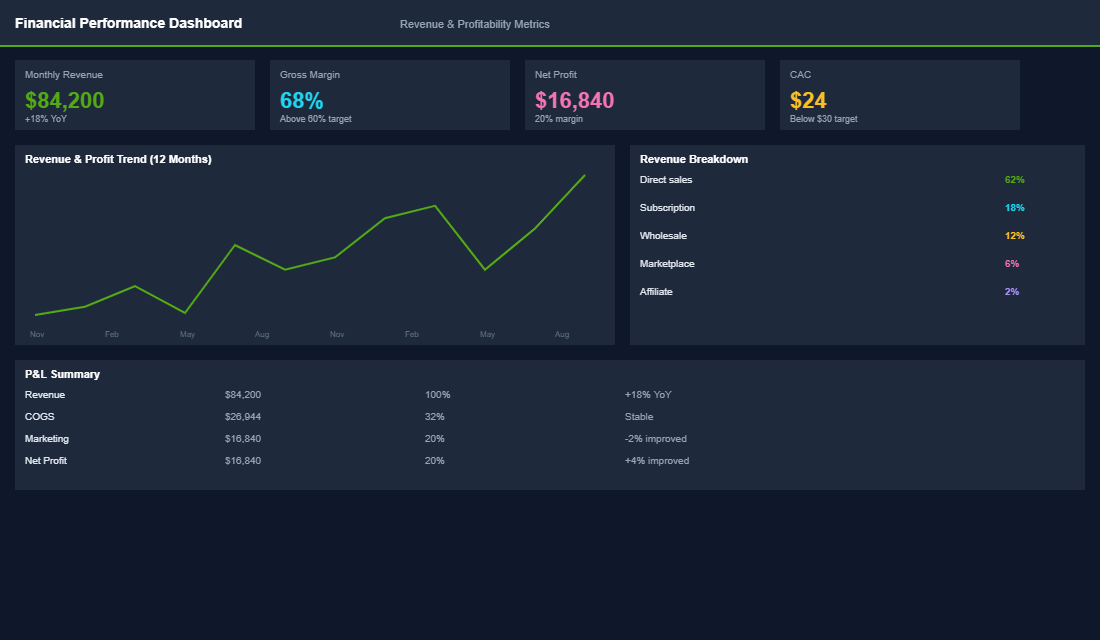
The work that makes EOFY profitable happens well before the sale goes live. Here is your preparation checklist:
Identify your sale inventory. Which products will you discount? Focus on slow-moving stock, end-of-season items, and products with high margins that can absorb a discount. Do not discount your bestsellers at full margin. Save those for regular revenue. The goal is to move inventory that is costing you cash flow while maintaining healthy margins overall.
Set your pricing strategy. Decide on your discount structure. A tiered approach works well: 20% off sitewide, 30% off selected categories, 40% off clearance items. Alternatively, use spend-and-save tiers: “$20 off $100, $50 off $200, $100 off $400.” Spend-and-save drives higher AOV because customers add items to reach the next threshold.
Prepare your creative assets. Design email templates, social media graphics, website banners, and ad creatives. Having these ready in advance means you can launch on schedule without last-minute scrambling. Create at least 3 versions of each ad creative for testing.
Build your VIP early-access list. Send an email to your best customers inviting them to join a VIP early-access list for your EOFY sale. This creates anticipation, segments your most engaged subscribers, and gives you a captive audience for early revenue when the sale launches.
Week 3 (Late May): Warm-Up Phase
Start warming your audience before the sale goes live:
- Teaser emails. Send 2-3 emails hinting at what is coming. “Our biggest EOFY sale ever is coming. VIPs get first access on June 1.” Create anticipation without revealing specific offers. This builds a mental commitment in subscribers who start planning their purchase before the sale even begins.
- Social media teasers. Post countdown content, sneak peeks of sale items, and behind-the-scenes preparation content. “Packing up the warehouse for our EOFY sale. You are not ready for these deals.” Generate conversation and sharing.
- Retargeting audience building. Increase your Meta and Google remarketing audiences by running awareness campaigns in the two weeks before the sale. The more people in your retargeting pools when the sale launches, the more people you can reach with sale messaging at low cost.
- Cart and wishlist encouragement. Send an email encouraging customers to add items to their cart or wishlist now so they are ready when the sale goes live. “Build your EOFY wishlist now. We will notify you the moment prices drop.” This pre-loads purchase intent.
Week 4 (Early June): VIP Early Access
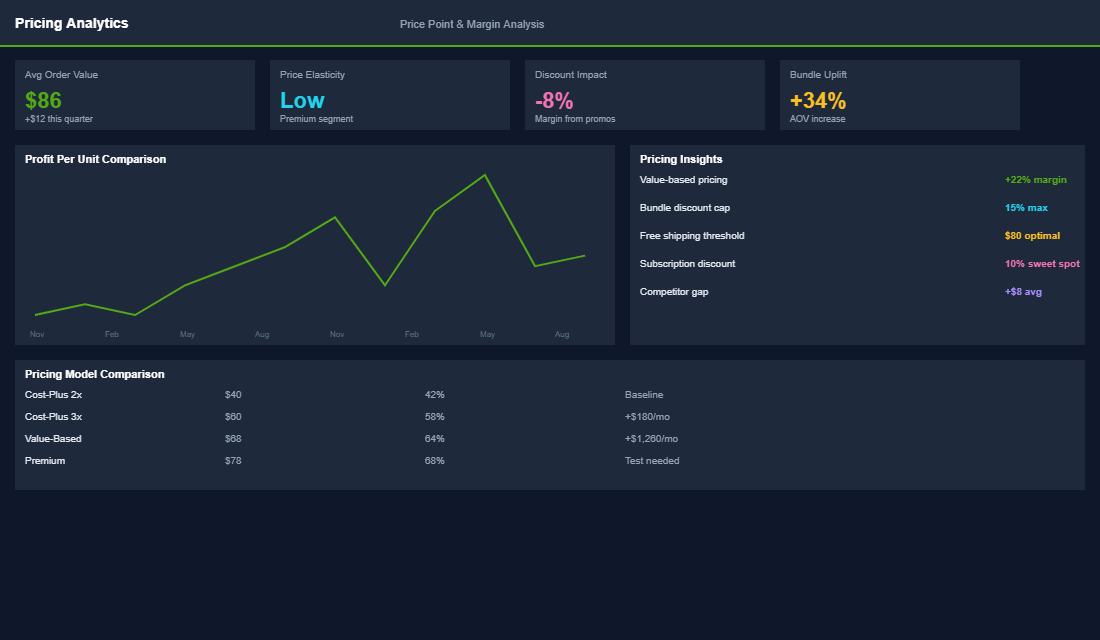
Launch VIP early access 24-48 hours before the public sale. This phase typically generates 25-35% of total EOFY revenue because your most engaged customers are first in and buy at the highest AOV.
Email sequence: Send three emails across the VIP early-access period. First: “Your VIP early access is live. Shop now before everyone else.” Second (6 hours later): “Best sellers from the EOFY sale are going fast.” Third (24 hours): “Last chance for VIP early access, public sale starts tomorrow.”
SMS for VIPs: Send a single SMS when early access opens. “Your VIP EOFY access is live! Shop now: [link].” SMS is the fastest way to drive immediate traffic and works brilliantly for time-sensitive offers.
Exclusive VIP offer: Consider giving VIPs an extra 5% on top of the sale prices, free shipping regardless of order value, or a free gift with purchase. The exclusivity reinforces why they joined the VIP list and incentivises immediate purchase rather than waiting for the public sale.
Week 4-5 (June): The Main Event
When the public sale goes live, execute a multi-channel blitz:
- Email campaign cadence: Day 1: Sale launch announcement. Day 3: Category spotlight (best deals in a specific collection). Day 5: Social proof (“2,000 orders shipped so far”). Day 7: Midway reminder with bestsellers. Day 10: “Last week” urgency. Day 13: “48 hours left.” Day 14: “Final day, ends at midnight.” This cadence maintains momentum without fatiguing subscribers.
- Meta Ads: Launch sale-specific creatives targeting broad audiences and your retargeting pools. Increase budget by 30-50% during the sale period. EOFY CPMs are typically 10-15% lower than November/December because fewer brands advertise aggressively. This is a cost-effective scaling window.
- Google Ads: Update your Shopping feed with sale prices so they display in Google Shopping results. Create sale-specific search campaigns targeting “EOFY sale [your category]” keywords. These capture high-intent shoppers actively looking for EOFY deals.
- Website experience: Add a sitewide banner announcing the sale. Create a dedicated EOFY sale collection page with all discounted products. Add countdown timers showing when the sale ends. Highlight the savings prominently on every product page (“Was $120, Now $89, You Save $31”).
Week 6 (Late June): The Close-Out
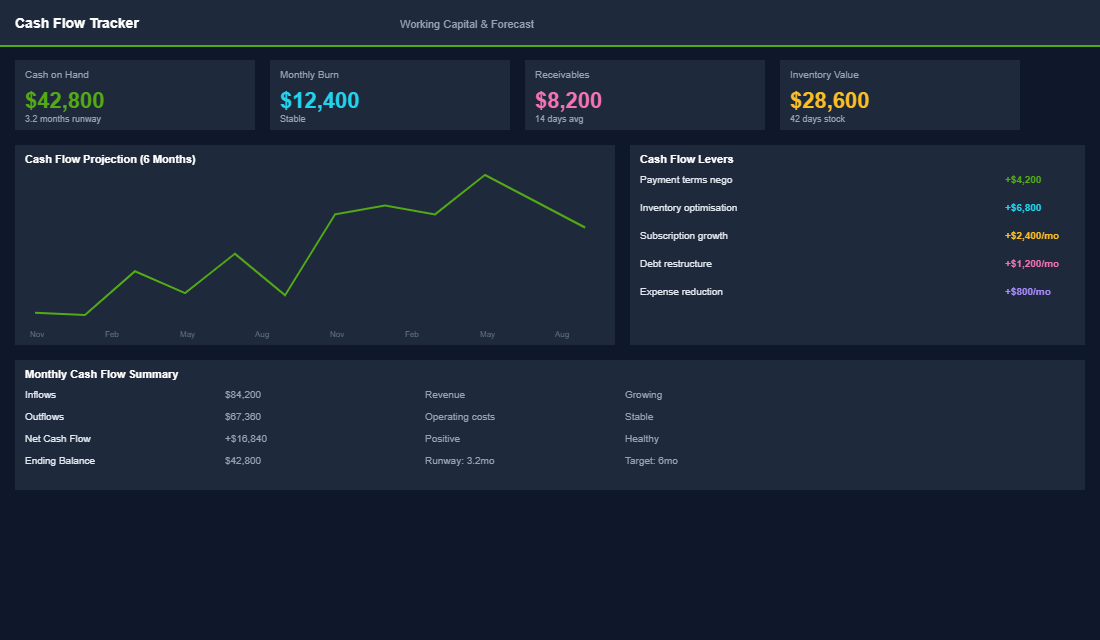
The final days of an EOFY sale are where urgency drives the highest daily revenue. Execute a concentrated closing push:
Final 72 hours: “Last chance” messaging across all channels. Increase email frequency to daily. Add “selling fast” or “low stock” indicators to popular products. The countdown timer should be prominent on every page. These urgency signals drive 30-40% of total sale revenue in the final 3 days.
Post-sale engagement: On July 1, send a thank-you email to everyone who purchased. Include their order summary, a personal note, and a soft introduction to your loyalty program. This transitions sale buyers into your post-purchase nurture sequence for long-term retention.
Performance review: Within the first week of July, review your complete EOFY performance: total revenue, average discount rate, profit margin, new vs returning customer split, best-performing products, and channel-level ROAS. Document what worked and what did not. This becomes your playbook for next year’s EOFY and your BFCM campaign.
EOFY Offer Architecture: What to Discount and What to Never Touch
The laziest EOFY campaign is a flat 30% off everything. It works, in the sense that revenue goes up, and it quietly costs you a fortune because you just discounted the products that were selling perfectly well at full price.
Build the offer in tiers instead. Sort your catalogue into four buckets before you write a single email, using the last 90 days of Shopify product-level reporting.
- Hero products (top 20% of revenue, healthy stock). Do not discount these. Bundle them instead. A hero item paired with a slow-moving accessory at 15% off the pair protects margin and clears stock at the same time.
- Ageing stock (on hand more than 120 days). This is where the aggressive discounting belongs. 40% to 50% off is fine here because the alternative is carrying it into next financial year and paying to store it.
- Steady mid-performers. A modest 20% works, or better, a threshold offer: spend $150 and save $30. Threshold offers lift average order value by 15% to 25% rather than just shaving margin off orders that were happening anyway.
- New or low-stock lines. Exclude entirely. Use them as the reward in a gift-with-purchase instead.
There is a genuinely Australian angle to lean on here that most brands ignore. If you sell anything a sole trader or small business could plausibly claim as a work expense, tools, tech, office furniture, uniforms, bags, EOFY is a tax-deduction conversation, not a discount conversation. Copy like “claim it this financial year” outperforms “30% off” with that audience because it changes the frame from spending money to saving it. Be careful with the wording though, state that customers should confirm deductibility with their own accountant rather than making a tax claim on their behalf.
Check the discount against your actual contribution margin before you commit. If a line runs at 55% gross margin and you discount 40%, you are down to 15% before shipping and payment fees, which for many Aussie stores means a loss on every unit. Run the numbers using the method in our guide to Shopify profit margins first.
Inventory and Cash Flow: The Two Things That Sink EOFY Sales
Every EOFY post-mortem we run lands on one of two failures, and neither is a marketing problem. Either the best sellers ran out on day three, or the sale worked and the business still ended June short on cash.
On inventory, set your buy quantities off last year plus a realistic growth factor, not off optimism. If you did 300 units through the equivalent period last year and the business is trading up 40%, plan for 420 and hold a reorder trigger at 30% remaining. Mark anything with a lead time longer than the sale window as no-restock and cap it in Shopify so you do not oversell. Nothing damages a campaign faster than 200 cancellation emails on July 2.
- Set low-stock alerts at 25% of expected sale volume, not at 5 units.
- Decide in advance which three products you would happily sell out of, and which three must stay in stock for the whole window.
- Pull inventory reports daily during the main event, not weekly. A best seller can go from comfortable to gone in a single big email send.
- Brief your 3PL or packing team on expected volume two weeks ahead. Dispatch delays during EOFY produce the worst review cycle of the year.
On cash flow, remember the trap: you pay for the inventory in April and May, you discount it in June, and the marketing spend lands before the revenue clears. Australian payment processors typically settle in 2 to 3 business days, so a sale finishing June 28 has money still in transit at June 30. If you are also planning a large deductible purchase before year end, map the outgoings on a simple week-by-week sheet before you commit to the ad budget.
The Post-EOFY Debrief: The 90-Minute Meeting That Doubles Next Year
Almost nobody does this, and it is the single most valuable 90 minutes in the whole campaign. In the first week of July, while it is all still fresh, sit down with whoever touched the sale and write the plan for next year.
- The numbers. Total revenue, orders, AOV, conversion rate and blended ROAS, each compared to the same window last year and to a normal trading fortnight. Note which day peaked and why.
- Channel breakdown. Revenue attributed to email, SMS, paid social, search and organic. This tells you where next year’s budget goes.
- Offer performance. Which of the four buckets actually moved. Most brands discover the threshold offer beat the flat percentage and never repeat the flat one.
- What broke. Stockouts, dispatch delays, site slowdowns, support backlog, a broken discount code. Write them down honestly while you still remember.
- Three decisions for next year. Not twenty. Three specific changes with an owner and a date.
Save it as a dated document and diary a reminder for the first week of April to reopen it. The brands that compound their seasonal performance are simply the ones who read last year’s notes before planning this year’s campaign. The same discipline applies to your next peak, so run this alongside our BFCM planning playbook and the deeper EOFY sale campaign playbook when you build the next calendar.
The Compound Effect of Seasonal Planning
Brands that plan seasonal campaigns 6+ weeks in advance consistently outperform reactive brands by 40-60% on revenue. The preparation time lets you build anticipation, stock the right inventory, create better creative, and execute a coordinated multi-channel campaign that maximises every dollar of attention.
One eCommerce Circle member followed this exact EOFY playbook and generated $62,000 in EOFY sale revenue, up from $18,000 the previous year when they ran a last-minute 20% off sitewide promotion. The VIP early access alone generated $21,000, and the multi-channel email cadence drove 44% of total sale revenue.
The lesson applies to every seasonal peak: EOFY, BFCM, Christmas, Back to School, Valentine’s Day. The brands that plan win. The brands that react lose.
Start Planning Now
If EOFY is more than 6 weeks away, you are in perfect position to execute this playbook. If it is less than 6 weeks, start at whatever week makes sense. Even a compressed version of this plan will outperform an unplanned sale. Mark the preparation dates in your calendar and treat each phase as a deadline.
Inside the eCommerce Circle, seasonal campaign planning is a core part of our coaching calendar. We help members plan EOFY, BFCM, and Christmas campaigns months in advance, including email sequences, ad creative, pricing strategies, and inventory planning, so they capture the maximum revenue from every seasonal peak.
The biggest revenue days of the year are predictable. The only question is whether you are prepared for them.
Inside eCommerce Circle, seasonal campaign planning is one of the core pillars we work on with every member. If you want a second opinion on yours, let’s talk.